When utility bills skyrocket, the instinctive reaction for most homeowners is to adopt a bunker mentality. We dim the lights, unplug the toaster, and engage in passive-aggressive battles over the thermostat setting. While these habit changes might save a few pennies, they treat the symptoms of an inefficient home rather than the disease. The hidden drain on your household finances isn’t just lifestyle inflation; it is structural degradation. Over time, every house settles, seals degrade, materials warp, and mechanical systems lose their factory-fresh calibration. These micro-failures culminate in massive energy drains, turning your living space into a sieve that wastes electricity, gas, and water.
To permanently and drastically lower your monthly expenses, you must shift your philosophy from passive conservation to strategic, targeted home repairs. By identifying the exact points where thermal energy escapes and mechanical systems fight friction, you can execute targeted fixes that yield compounding financial returns.
Fortify the Thermal Envelope from the Top Down
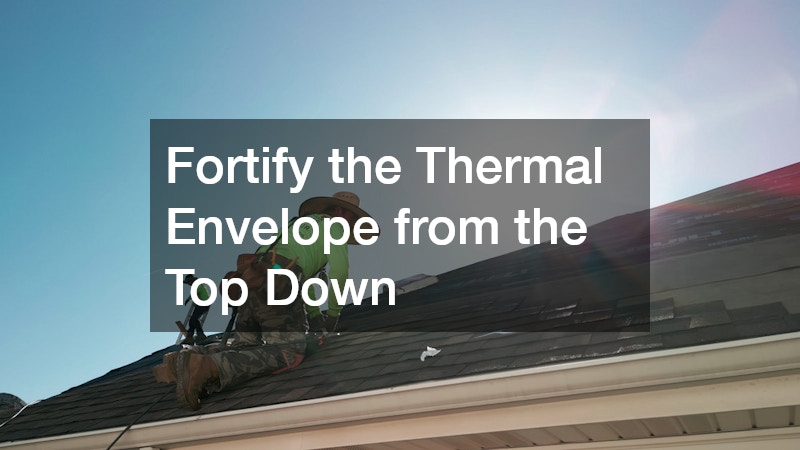
The roof and attic space represent the most critical battleground for home energy efficiency. Due to a natural phenomenon known as the stack effect, warm air rises and creates a pressure differential inside your living space. In the winter, the heated air you paid for rushes upward, seeking any microscopic opening to escape into the attic and out of the building envelope. In the summer, the reverse happens: a baking sun heats your roof deck to scorching temperatures, and that intense thermal energy radiates downward into your ceiling, forcing your cooling systems to work twice as hard.
Managing this zone requires a meticulous approach to sealing and structural maintenance. Air bypasses—hidden gaps around chimneys, recessed lighting fixtures, electrical conduits, and attic access hatches—act as open chimneys. Sealing these areas with fire-rated expanding foam or flashing is a crucial first step. However, if your attic insulation is water-damaged, compressed by pests, or completely missing in sections, its thermal resistance is effectively compromised.
To execute effective structural interventions, keep the following action items in mind:
- Inspect your attic floor after a heavy rainstorm. Look for signs of dampness, dark stains on the plywood, or matted insulation, which indicate that water is infiltrating and destroying your home’s thermal barrier.
- Clear away any debris blocking your soffit vents. Proper passive ventilation allows a continuous stream of fresh air to sweep beneath the roof deck, preventing heat buildup in July and dangerous ice dams in January.
- Examine the exterior roof line for curling shingles, cracked flashing around valleys, or exposed underlayment that compromises the barrier.
When minor DIY fixes are insufficient to halt major thermal transfers or water intrusion, bringing in professional roofing contractors is the most fiscally responsible move. A certified expert can evaluate whether your ventilation layout requires ridge vents or mechanical fans to adequately flush out stagnant, overheated air. Furthermore, if your structural decking has begun to rot due to trapped moisture, a targeted roof repair will not only preserve the structural integrity of your home but will instantly protect your insulation investment, allowing it to maintain the necessary thermal boundary to keep your climate-controlled air right where it belongs.
Eliminate Drafts and Thermal Bridging at the Openings
Windows and doors represent intentional punctures in your home’s protective shell. While they provide essential natural light and ventilation, they are incredibly prone to structural shifting and seal failure. When a window fails to close tightly or its perimeter sealant cracks, it permits significant air infiltration. This forces your heating and cooling systems into a perpetual state of catch-up, as outside air continuously introduces unwanted humidity or cold drafts.
To determine if your window casings are actively draining your bank account, perform a thorough inspection using simple diagnostic techniques. You can pass a lit incense stick or a thin tissue around the edges of your window frames on a windy day; any dramatic flickering or movement indicates a direct air leak. Alternatively, try the classic dollar bill test: close a window on a dollar bill, and if you can pull the bill out easily without any resistance, the latching mechanism or weatherstripping is failing to compress the unit into a tight seal.
Addressing these issues requires a multi-layered approach to restoring the tight fit of your window assemblies:
- Remove old, dried-out exterior caulk using a putty knife and apply a fresh bead of premium, 100% silicone or polyurethane sealant along the exterior perimeter where the frame meets the siding.
- Replace brittle or flattened adhesive weatherstripping inside the tracks with high-density foam options or heavy-duty V-strip profiles that flex to fill gaps.
- Tighten or reposition the sash locks. Often, a window isn’t genuinely sealing because the locking hardware has loosened over time, preventing the top and bottom sashes from interlocking securely.
In cases where older, double-pane glass has developed a foggy appearance between the layers, the insulated glass unit has experienced a total seal failure, turning a barrier into a thermal bridge. Opting for a localized window repair to replace just the glass sash rather than replacing the entire frame can save you thousands in upfront capital while instantly restoring your home’s insulative value. Additionally, check the structural walls immediately surrounding these openings. If shifting has caused deep cracks around the interior trim, executing smooth, airtight drywall repairs is mandatory. Filling these hidden interior wall cavities stops air from circulating behind your baseboards and casings, permanently blocking subtle drafts.
Maximize HVAC Efficiency Without Replacing the Whole System
Your climate control equipment is likely the largest single consumer of energy on your monthly utility statement. Because these mechanical systems operate out of sight, they are frequently subjected to neglect until a total breakdown occurs. However, long before a system dies completely, it undergoes a slow slide into inefficiency. As dust accumulates on internal components, air filters clog, and fan motors experience increased friction, the system must draw significantly more amperage to achieve the target temperature on your thermostat.
Optimizing your current setup is vastly more cost-effective than investing in a brand-new system, and it begins with fundamental airflow management. When air cannot move freely across the heat exchanger or evaporator coil, the entire cycle bogs down. For instance, a clogged return filter starves the system, causing the internal temperatures to spike or freeze, which strains the compressor and drastically shortens its lifespan.
Implementing a strict maintenance schedule will yield immediate dividends on your monthly power statement:
- Swap out standard fiberglass filters every thirty to ninety days for pleated media filters that trap fine debris without severely restricting static air pressure.
- Clear a minimum three-foot perimeter around your exterior condenser unit, removing weeds, leaves, and overhanging branches that impede critical heat rejection.
- Straighten bent aluminum condenser fins using a specialized fin comb to ensure that air flows perfectly over the refrigerant coils.
On a deeper level, internal issues like a slow refrigerant leak, a failing capacitor, or an uncalibrated blower motor can silently double your cooling costs. Relying on an experienced air conditioning specialist to perform an annual tune-up ensures that your system functions precisely to its engineered specifications. When an established hvac company conducts a comprehensive system diagnostic, they can clean the internal evaporator coils, test electrical connections, and verify that the duct system isn’t leaking conditioned air into unconditioned crawlspaces. Sealing duct joints with professional-grade mastic compound can reclaim up to 30% of lost heating and cooling capacity instantly.
Stop Hot Water Energy Theft and Standby Loss
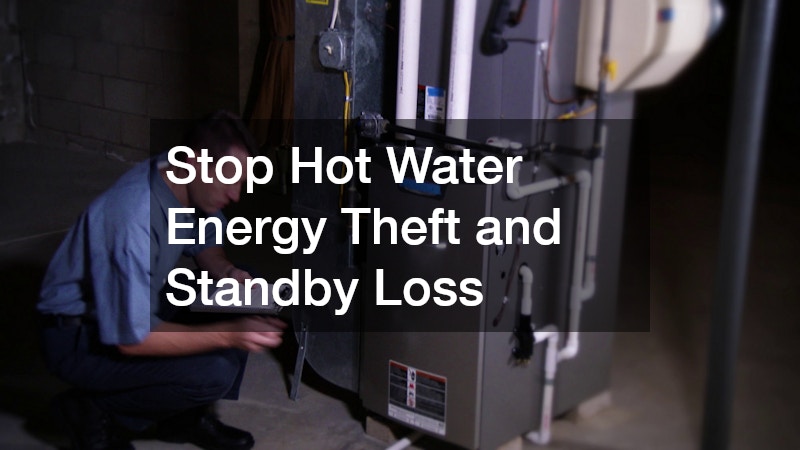
Water heating typically represents the second-largest utility expense in the modern household. Standard tank-style water heaters operate on a continuous cycle, keeping dozens of gallons of water piping hot twenty-four hours a day, regardless of whether you are awake, at work, or on vacation. This continuous demand results in substantial standby heat loss, where thermal energy continuously radiates outward through the steel shell of the tank and the uninsulated copper pipes connected to it.
Over time, this process becomes even less efficient due to hard water. As water is heated, dissolved minerals like calcium and magnesium precipitate out of the liquid and settle to the bottom of the tank. This forms a thick layer of rock-like sediment directly over the gas burner or lower electric heating element. The unit must then heat this layer of stone before it can heat the water above it, resulting in longer run times, wasted energy, and a significantly higher gas or electric bill.
To counteract this silent energy thief, integrate these simple, proactive steps into your home maintenance routine:
- Drain and flush your water storage tank at least once a year to wash away accumulated mineral scale and restore direct thermal contact between the heating source and the water.
- Wrap the first six feet of both the hot and cold water copper lines extending from the top of the unit with pre-slit closed-cell foam pipe insulation to prevent heat from radiating into ambient air.
- Turn down the internal thermostat dial on the tank from the standard factory setting of 140 degrees Fahrenheit to a highly efficient 120 degrees Fahrenheit, which saves energy and prevents accidental scalding.
If you ever notice a pool of moisture collecting around the base of your appliance, or if you hear a consistent sizzling sound, it is a critical warning sign. A water heater leaking from the bottom of the tank usually indicates that internal corrosion has eaten through the steel lining, a problem that requires immediate professional replacement to prevent catastrophic property damage. However, if the issue stems from a faulty pressure relief valve or a burned-out electric element, booking a timely water heater repair can easily revive the system’s efficiency, ensuring you stop paying for energy that is literally draining out onto your basement floor.
Mitigate Subfloor Thermal Loss and Optimize Water Distribution

While homeowners frequently look upward to resolve insulation issues, the zone directly beneath your feet plays an equally significant role in your monthly utility costs. Uninsulated crawlspaces, drafty basements, and unsealed subfloors act as massive heat sinks. During colder months, cold air migrates upward through porous subflooring materials, creating uncomfortably chilly floors. This forces residents to turn up their thermostats to compensate for the perceived chill, even if the ambient air at chest height is technically warm.
Simultaneously, the vast network of plumbing lines running beneath your floors represents another area where energy and resources are routinely wasted. Small, hidden leaks in hot water supply lines not only inflate your water bill but also continuously drain thermal energy as your water heater works overtime to replace the hot water escaping into the ground or foundation walls.
Addressing this lower thermal zone requires a dual strategy of material upgrades and precision plumbing maintenance:
- Install a continuous vapor barrier over the bare dirt floor of your crawlspace to stop dampness from rising, migrating into your subfloor joists, and lowering the R-value of your floor insulation.
- Seal all rim joists and sill plates with expanding spray foam to prevent external wind from blowing underneath your floorboards.
- Use expanding foam or silicone to seal the gaps around plumbing pipes where they pass through cabinets and subfloors to eliminate hidden pathways for cold air.
If you are planning an upcoming interior renovation, visiting a local flooring store to research modern underlayments can provide an unexpected boost to your home’s energy performance. Installing a dense cork, rubber, or specialized acoustic foam underlayment beneath your new hardwood, laminate, or luxury vinyl tile creates an exceptional thermal break that blocks cold air migration. To ensure that your utility savings aren’t completely wiped out by hidden water waste, hiring licensed plumbing contractors to conduct an inspection of your subfloor lines is highly beneficial. These professionals can deploy acoustic leak detection or thermal imaging to pinpoint hidden line leaks, saving vast amounts of water and preventing structural rot before it compromises your brand-new flooring.
Drastically lowering your utility bills does not require you to completely upend your lifestyle or invest in hyper-expensive, experimental technologies. Instead, real financial relief comes from paying close attention to the structural realities of your home. By taking a targeted, systematic approach to home maintenance—fortifying your roof deck, restoring airtight seals on your windows, tuning up mechanical systems, maintaining water heaters, and insulating your subfloors—you tackle the root causes of energy waste.
Every single gap you seal, every piece of sediment you flush, and every minor component you repair works together to lower the demands on your home infrastructure. These small, deliberate investments of time and targeted maintenance quickly pay for themselves, leading to lower utility bills and a more comfortable, structurally sound living space for years to come. Dedicate your next free weekend to inspecting one of these critical zones, and start keeping your hard-earned money inside your bank account.