
A home that runs efficiently is not maintained by focusing on one appliance or system at a time. Heating, cooling, plumbing, insulation, electrical components, roofing, drainage, and water systems all affect one another. When one part of the home begins to perform poorly, the effects can spread throughout the property, increasing energy use, reducing comfort, and creating opportunities for costly damage.
A consistent maintenance routine helps homeowners identify small issues, keep major systems operating as intended, and plan for professional service when necessary. This whole-home maintenance checklist covers the major areas that influence home efficiency and performance, including what to check regularly, which warning signs to watch for, and when professional assistance may be appropriate.
Create a Year-Round HVAC Maintenance Routine
Heating and cooling equipment often represents one of the largest sources of household energy use. Even an efficient system can waste energy when filters are clogged, airflow is restricted, ductwork is damaged, or equipment is not properly maintained.
Homeowners should check air filters regularly because a dirty filter forces the system to work harder to move air throughout the home. The replacement schedule depends on the filter type, household conditions, pets, and system usage, but checking the filter monthly is a practical habit.
Other routine HVAC maintenance tasks include:
- Keep supply and return vents open and free of furniture, rugs, curtains, and other obstructions.
- Vacuum dust and debris from accessible registers and vents.
- Check the thermostat for inaccurate readings, inconsistent temperatures, or unusual cycling.
- Schedule professional heating maintenance before the cold season.
- Arrange cooling system maintenance before the first major period of summer heat.
- Keep outdoor equipment clear of leaves, grass clippings, dirt, and other debris.
- Pay attention to unusual sounds, odors, leaks, and unexplained increases in energy consumption.
A local HVAC company can identify restricted airflow, electrical problems, and developing issues before they cause a breakdown. Homeowners should also consider how different systems work together. Inadequate insulation or leaky ductwork can make a properly functioning HVAC system appear inefficient. If certain rooms are consistently too hot or too cold, the problem may involve more than the heating or cooling equipment itself.
Improve Heat Retention by Checking Insulation and Air Leaks
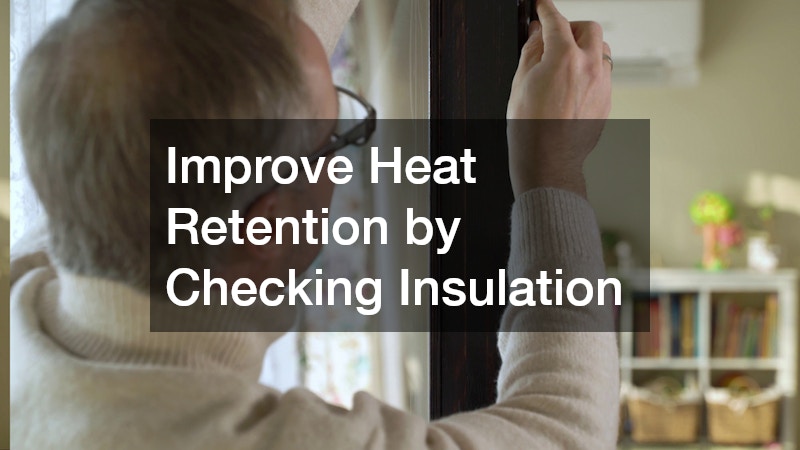
A home can lose conditioned air through gaps and poorly insulated areas, forcing heating and cooling equipment to run longer. The attic is an important place to inspect for insulation that is uneven, compressed, displaced, insufficient, or affected by moisture.
Air sealing is also essential. Check for gaps around attic access panels, plumbing penetrations, electrical fixtures, recessed lighting, ductwork, chimneys, windows, doors, baseboards, and other utility penetrations.
Small gaps can often be sealed with appropriate caulk or sealant, while worn weatherstripping and damaged door sweeps should be replaced. Watch for signs of insufficient insulation or air leakage, including:
- Large temperature differences between floors
- Uncomfortable rooms
- High heating or cooling costs
- Noticeable drafts
- Excessive attic heat
- Moisture or condensation
Adding more insulation, including blown in insulation where appropriate, without addressing moisture problems or air leakage may not solve the underlying issue. A professional evaluation can determine whether the home needs additional insulation, air sealing, improved ventilation, or a combination of solutions.
Reduce Water Waste and Protect Plumbing Fixtures
Water efficiency is another important part of whole-home maintenance. Small leaks can waste water continuously while causing damage to cabinets, floors, walls, and structural materials.
One way to check for a hidden leak is to turn off all water fixtures and monitor the home’s water meter. If the meter continues to register water use when no water is being consumed, the property may have a leak.
Homeowners should routinely check:
- Faucets and showerheads for dripping or leaking
- Toilets for silent tank leaks
- Supply lines beneath sinks
- Washing machine hoses
- Dishwasher connections
- Exposed pipes
- Areas around water heaters and other water-using appliances
A toilet dye test can help identify a slow leak that is not immediately visible.
Homes with a water softener should also include the system in their maintenance routine. Check salt levels and follow the manufacturer’s recommendations for cleaning, regeneration, and service. Salt bridging, improper settings, or other problems can affect performance and contribute to scale buildup in plumbing fixtures and appliances.
Hard water can create mineral deposits inside pipes, faucets, water heaters, and appliances. Proper water treatment and routine maintenance can help address these concerns.
Identify Electrical Problems Before They Become Safety Hazards
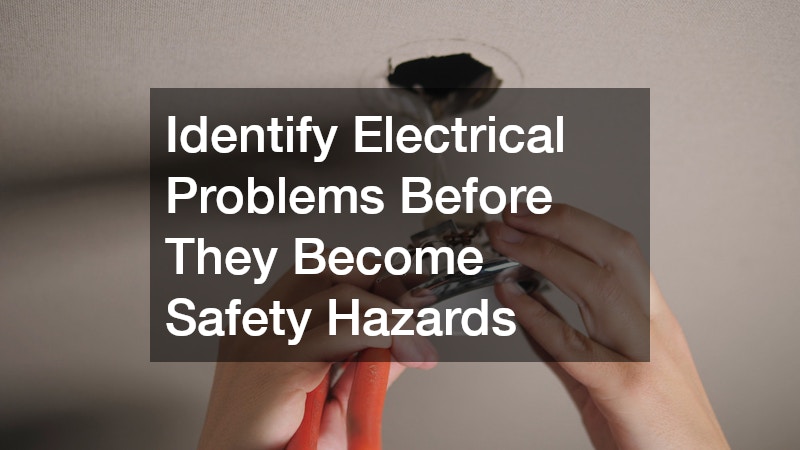
Electrical problems can affect both home safety and energy efficiency. During routine inspections, watch for outlets or switches that are warm, discolored, cracked, loose, or making unusual sounds. Burning odors, repeated breaker trips, flickering lights, and sparks should also be professionally evaluated.
Homeowners can reduce standby energy use with smart power strips and energy-efficient lighting. A qualified electrical contractor should handle issues such as damaged wiring, overloaded circuits, the need for additional circuits, or electrical upgrades for equipment such as heat pumps, electric vehicle chargers, and high-capacity appliances.
Professional electrical evaluations can also help identify problems that are not immediately visible, particularly in older homes or properties undergoing renovations. Addressing these issues early can help homeowners improve safety, avoid unexpected interruptions, and ensure the electrical system can support the home’s current and future needs.
Keep Cooling Costs Under Control
During hot weather, cooling equipment can operate for long periods, making small efficiency problems more noticeable. Homeowners can reduce unnecessary strain by combining routine equipment maintenance with changes to the way the home is used.
Check the air filter, keep vents open, and make sure the outdoor unit is not surrounded by overgrown vegetation or debris. Grass clippings, leaves, and dirt can restrict airflow around the condenser and reduce performance.
Other steps that can help include:
- Use ceiling fans to improve comfort without relying solely on lower thermostat settings.
- Close blinds or curtains during the hottest part of sunny days when appropriate.
- Avoid placing furniture directly over supply vents.
- Check for rooms that remain unusually warm despite continuous cooling.
- Monitor for short-cycling or unusually long operating periods.
- Watch for unexplained increases in cooling costs.
A local AC company can inspect the system before peak cooling season and identify issues involving airflow, refrigerant, electrical components, ductwork, or mechanical parts. Homeowners should not wait until the first heat wave to discover that their equipment cannot keep up with demand.
Poor cooling performance does not necessarily mean the air conditioner itself is failing. Leaky ducts, inadequate insulation, air leaks, and incorrect thermostat settings can also contribute to higher energy use.
Protect Your Water Supply With Routine Well System Checks

For homes that rely on private wells, the well system is an essential part of daily life. A problem with the pump or related equipment can affect drinking water, bathing, laundry, and other household activities.
Changes in water pressure are among the most noticeable warning signs. Homeowners should also pay attention to unusual pump noises, frequent cycling, reduced water flow, and changes in water quality.
Other routine considerations include:
- Check exposed components for leaks or corrosion.
- Keep the area around the wellhead clear and accessible.
- Protect vulnerable equipment from freezing temperatures where applicable.
- Monitor for unusual odors, cloudiness, or discoloration in the water.
- Maintain records of water testing and system service.
Well pump repair may be necessary when a pump cycles repeatedly, stops working properly, produces unusual sounds, or cannot maintain normal water pressure. Early attention can sometimes prevent a complete loss of water service and reduce the risk of additional equipment damage.
A system that still provides water may nevertheless be showing signs of a developing problem. A professional evaluation can help determine whether the issue involves the pump, pressure tank, controls, plumbing, or another component.
Schedule Septic Maintenance Before Problems Begin
Septic systems require regular care because problems can become disruptive and expensive when ignored. A maintenance schedule should account for the tank’s size, household size, water usage, and the system’s specific requirements.
Homeowners should keep a record of the last time the tank was serviced and schedule future maintenance accordingly. Protect the system by:
- Avoid flushing wipes, grease, and other inappropriate materials.
- Repairing leaking toilets and faucets that add unnecessary water to the system.
- Spreading laundry throughout the week rather than sending large volumes of water into the system at once.
- Keeping vehicles and heavy equipment off the drainfield.
- Avoiding structures or activities that compact the soil over the septic area.
- Keeping access points visible and accessible.
Septic pumping services can help remove accumulated solids before they interfere with system performance. Homeowners should also watch for slow drains, sewage odors, unusually wet areas, or patches of unusually lush grass near the septic system.
Routine maintenance is generally preferable to waiting until wastewater backs up into the home or the drainfield develops a serious problem.
Inspect the Roof Before Small Problems Spread
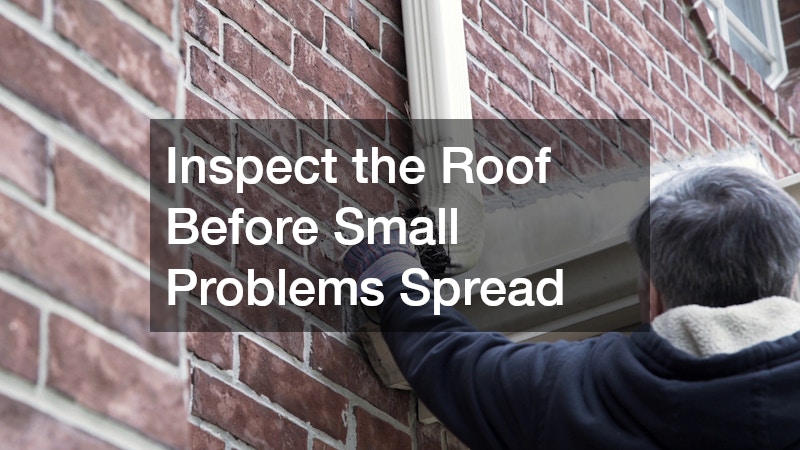
The roof protects nearly every other part of the home. A small defect can allow water to reach insulation, attic framing, ceilings, walls, and electrical components. Moisture intrusion can also reduce insulation performance and contribute to mold or structural deterioration.
Homeowners can perform visual checks from the ground, but should avoid climbing onto the roof if they are not equipped and trained to do so safely.
Look for:
- Missing, cracked, curling, or damaged shingles
- Sagging areas
- Damaged flashing
- Deteriorated materials around roof penetrations
- Excessive moss or algae growth
- Granules or shingle debris in gutters
- Water stains on ceilings or attic surfaces
Gutters and downspouts are also part of roof maintenance. Leaves and debris can prevent water from draining properly, while downspouts that discharge water too close to the foundation can contribute to moisture problems.
Residential roofers can perform a professional inspection when visible damage is present, after severe weather, or when the roof’s age and condition warrant a closer evaluation. Addressing a small damaged area may help prevent water from spreading into more expensive parts of the home.
Keep the Fireplace and Chimney Ready for Seasonal Use
Chimney maintenance is important for homes with fireplaces, wood-burning appliances, or other systems that rely on proper venting. A chimney that is damaged, blocked, or excessively coated with combustion byproducts may not perform safely or efficiently.
Before the heating season, check the visible exterior for cracks, loose masonry, damaged mortar, or signs of water intrusion. Flashing around the chimney should also be monitored for potential leaks.
A chimney cap can help limit the entry of rain, snow, leaves, and animals. Inside the home, watch for unusual odors, smoke problems, poor draft, or visible signs of buildup.
Professional inspections and cleaning should be scheduled based on the type of appliance, its frequency of use, and applicable safety recommendations.
Other important steps include:
- Keep combustible items away from fireplaces and heating appliances.
- Test smoke alarms regularly.
- Test carbon monoxide alarms according to the manufacturer’s instructions.
- Have unusual smoke or draft problems evaluated promptly.
- Address water damage around the chimney before it spreads.
Local chimney services can help identify problems that are difficult to see from the ground or inside the home. Regular attention can help protect both the chimney and connected heating equipment.
Address Plumbing Efficiency Problems Before They Escalate
Plumbing problems often begin with small warning signs. A slow drain, minor leak, or change in water pressure may not seem urgent, but these symptoms can indicate a developing issue.
Homeowners should check exposed pipes for leaks, corrosion, condensation, and signs of damage. Hot-water pipes may benefit from appropriate insulation in certain areas, which can help reduce heat loss between the water heater and fixtures.
The water heater should also be inspected for:
- Leaks
- Rust or corrosion
- Unusual noises
- Inconsistent water temperature
- Signs of pressure problems
Following the manufacturer’s maintenance recommendations can help preserve water heater performance. Homeowners should also repair dripping faucets and running toilets promptly, since both waste water continuously.
A residential plumber can help investigate persistent low water pressure, recurring clogs, leaks, or other difficult-to-identify issues. Homeowners should be cautious about relying on chemical drain cleaners as a routine solution for recurring blockages. Repeated problems may indicate a deeper issue requiring a more appropriate repair.
Build a Maintenance Calendar That Prevents Missed Tasks
The most effective checklist is one that homeowners actually use. Instead of trying to remember every task, create a simple maintenance calendar that divides responsibilities by frequency.
Monthly
- Check HVAC filters.
- Look for plumbing leaks.
- Test or inspect safety devices as recommended.
- Check for unusual changes in energy or water use.
Quarterly
- Review appliances and equipment for unusual performance.
- Inspect accessible areas for moisture or damage.
- Check outdoor drainage and visible exterior conditions.
Keep a record of installation dates, service appointments, repairs, warranties, and recurring problems. This information can help homeowners identify patterns and make better decisions about repairs or replacements.
Keep Your Home Running Efficiently Year-Round
Whole-home efficiency is built through consistent maintenance rather than a single upgrade or repair. Heating and cooling equipment, insulation, plumbing, electrical systems, roofing, water systems, septic components, and exterior features all play a role in how well a home performs.
Start by creating a maintenance calendar that fits your home and household. Prioritize safety concerns, active leaks, and systems that show signs of declining performance. By staying consistent and seeking professional assistance when needed, homeowners can reduce waste, protect their property, and keep major systems operating more efficiently for years to come.