Home efficiency isn’t just about insulation, windows, or appliances-it’s also heavily influenced by the systems you don’t always see, like your plumbing. From how water is heated and delivered to how quickly leaks are addressed, plumbing plays a direct role in both energy use and monthly utility costs.
When everything is functioning properly, your home runs smoothly, waste is minimized, and your bills stay manageable. But when issues go unnoticed, or systems are outdated, inefficiencies can quietly add up over time. That’s where working with experienced professionals makes a real difference.
Local expertise brings faster service, tailored recommendations, and a deeper understanding of your area’s infrastructure. In this guide, we’ll break down exactly how professional plumbing support can help improve your home’s efficiency-and what you can do to maximize those benefits.
Start With a Whole-Home Plumbing Efficiency Audit
Before making any upgrades, it’s essential to understand where your home currently stands in terms of plumbing performance and efficiency. Many inefficiencies are hidden behind walls or underground, making them difficult to detect without a trained eye. Professional plumbers are trained to identify subtle warning signs that homeowners often overlook, such as minor pressure inconsistencies or early-stage corrosion. These small issues can quietly contribute to water waste and increased energy consumption over time. By taking a proactive approach, you can prevent minor inefficiencies from escalating into costly problems. A comprehensive inspection also gives you a baseline to measure future improvements. Working with a local plumbing company ensures that the evaluation is tailored to your area’s water conditions and infrastructure.
What a thorough audit should include:
- Inspection of visible and hidden pipes
- Water pressure testing
- Leak detection (including slow, hidden leaks)
- Evaluation of water heater performance
- Review of fixture efficiency
Before scheduling an audit, take time to observe your home’s current plumbing behavior. Make note of any unusual sounds, fluctuations in water pressure, or unexpected spikes in your utility bills. Sharing these observations with your technician helps them narrow down potential issues more efficiently. This collaboration ensures that the audit is not only thorough but also highly targeted. Taking this first step sets the foundation for all future efficiency improvements.
Upgrade Outdated Systems to Modern, Efficient Alternatives
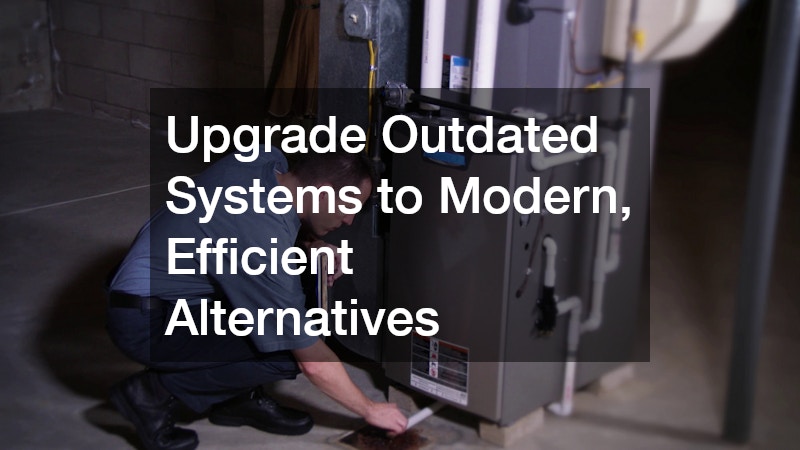
Older plumbing systems tend to operate far less efficiently than modern alternatives, often consuming more energy and wasting more water than necessary. Over time, components wear down, internal buildup occurs, and performance naturally declines. This gradual loss of efficiency can go unnoticed until it begins to significantly impact your utility bills or daily comfort. Upgrading outdated equipment allows you to take advantage of newer technologies designed to optimize performance. One of the most impactful upgrades homeowners can make involves water heater replacements, especially when transitioning from older tank systems to more advanced solutions. For instance, a rheem 18kw tankless water heater provides on-demand heating, eliminating standby energy loss and delivering consistent performance. These upgrades not only improve efficiency but also enhance reliability and longevity.
Benefits of upgrading your system:
- Lower energy consumption
- Consistent water temperature
- Reduced risk of leaks or failures
- Longer lifespan of equipment
If you’re unsure whether it’s time to upgrade, consider how your current system is performing day to day. Frequent temperature fluctuations, rising energy costs, and inconsistent water availability are all indicators that your system may be nearing the end of its useful life. Investing in newer technology may seem costly upfront, but the long-term savings and improved efficiency often outweigh the initial expense. Taking action early can prevent sudden breakdowns and costly emergency replacements.
Improve Energy Efficiency With Smart Installation Practices
Even the most advanced plumbing equipment can underperform if it is not installed correctly. Proper setup plays a critical role in ensuring that systems operate at peak efficiency from day one. During water heater installation, factors such as placement, sizing, and connection quality all influence how well the system performs over time. A poorly installed unit may struggle to maintain consistent temperatures, consume more energy, or experience premature wear. That’s why working with a qualified plumbing repair service is essential for achieving optimal results. Professionals ensure that every component is aligned with manufacturer specifications and local codes. This attention to detail helps prevent inefficiencies that might otherwise go unnoticed until they become costly problems.
Common installation mistakes to avoid:
- Incorrect sizing of the unit
- Poor placement leading to heat loss
- Improper venting or connections
- Skipping pressure regulation adjustments
Before moving forward with any installation, ask your technician about ways to maximize efficiency during the process. Small enhancements like adding insulation or optimizing pipe routing can significantly improve overall performance. These adjustments are often inexpensive but deliver long-term benefits in energy savings. Taking a thoughtful approach to installation ensures that your investment delivers the highest possible return.
Fix Small Issues Early to Prevent Major Energy Loss
Minor plumbing issues rarely stay minor for long, especially when they involve water heating systems. Small leaks, sediment buildup, or worn components can gradually reduce efficiency and increase energy consumption. Addressing these problems early through water heater repairs helps maintain consistent performance and prevents unnecessary waste. Ignoring these warning signs often leads to larger, more expensive issues that could have been avoided. Quick action not only saves money but also extends the lifespan of your system. Choosing local water heater repair services ensures faster response times, which is crucial when dealing with time-sensitive problems. Local professionals can often diagnose and resolve issues more efficiently due to their familiarity with common regional concerns.
Warning signs to watch for:
- Unusual noises from your water heater
- Inconsistent water temperature
- Rust-colored water
- Slow leaks or pooling water
If you notice any of these symptoms, it’s important to act quickly rather than waiting for the problem to worsen. Even a small delay can lead to increased water usage or higher energy bills. Scheduling a prompt inspection allows technicians to address the issue before it escalates. Staying proactive with repairs keeps your system running efficiently and helps you avoid unexpected disruptions.
Reduce Water Waste With Routine Maintenance Plans
Routine maintenance is one of the most effective ways to ensure your plumbing system continues to operate efficiently over time. Without regular checkups, small inefficiencies can develop into larger problems that waste water and energy. A reliable local plumbing service can help you stay ahead of these issues by providing scheduled inspections and preventative care. These services are designed to catch potential problems early, allowing for quick and cost-effective solutions. Regular maintenance also helps extend the lifespan of your equipment by reducing wear and tear. A trusted plumbing repair service will not only perform necessary upkeep but also offer recommendations for improving system performance. This ongoing attention ensures that your home remains as efficient as possible year-round.
Typical maintenance tasks include:
- Flushing the water heater
- Checking for leaks and corrosion
- Inspecting valves and connections
- Testing water pressure
Establishing a consistent maintenance schedule is key to long-term efficiency. Annual inspections combined with periodic checkups throughout the year can make a significant difference in performance. Homeowners who stay proactive with maintenance often experience fewer breakdowns and lower utility costs. Over time, these small efforts add up to substantial savings and a more reliable system.

Handle Emergencies Quickly to Avoid Costly Damage
Plumbing emergencies can disrupt your home’s efficiency almost instantly, leading to wasted water, increased energy use, and potential structural damage. Situations such as burst pipes or major leaks require immediate attention to prevent further complications. Having access to an emergency plumber ensures that these issues are addressed as quickly as possible. Fast response times are critical for minimizing damage and restoring normal operation. Skilled plumbers are equipped to handle urgent repairs and stabilize your system before more extensive problems develop. Their expertise allows them to identify the root cause of the issue and implement effective solutions on the spot.
Common emergencies that impact efficiency:
- Burst pipes
- Overflowing water heaters
- Severe leaks
- Sudden loss of water pressure
When an emergency occurs, taking a few simple steps can help reduce damage while you wait for professional assistance. Shutting off the main water supply and turning off affected systems can prevent further waste. Acting quickly not only protects your home but also reduces the overall cost of repairs. Being prepared for emergencies ensures that you can respond effectively when time is critical.
Optimize Water Pressure for Better Performance
Water pressure has a direct impact on both the efficiency and functionality of your plumbing system. When pressure is too high, it can strain pipes and fixtures, leading to leaks and unnecessary water usage. On the other hand, low pressure can make everyday tasks less effective and increase the time needed to complete them. A local plumbing company can assess your system and make adjustments to maintain the ideal pressure range. These adjustments help ensure that water is delivered efficiently without causing damage. A professional local plumbing service can also recommend upgrades, such as pressure regulators, to improve performance.
Ideal water pressure range:
- Typically between 40-60 PSI
Signs of pressure issues:
- Weak flow from faucets
- Banging noises in pipes
- Leaks or frequent pipe damage
Testing your home’s water pressure periodically is a simple but effective way to monitor system health. If you notice any irregularities, addressing them promptly can prevent more serious issues. Maintaining proper pressure ensures consistent performance and helps reduce unnecessary water waste. Over time, this contributes to a more efficient and reliable plumbing system.
Install Water-Saving Fixtures That Actually Work
Upgrading to water-efficient fixtures is one of the simplest ways to improve your home’s overall efficiency. Modern fixtures are designed to reduce water usage without compromising performance, making them a practical choice for any household. Professional plumbers can help you select fixtures that align with your needs while ensuring proper installation. Without a correct setup, even the most efficient fixtures may fail to deliver their intended benefits. A skilled plumbing repair service ensures that each component is installed correctly and functions as expected. This attention to detail helps maximize both water savings and long-term reliability.
Popular water-saving upgrades:
- Low-flow showerheads
- Dual-flush toilets
- Aerated faucets
- High-efficiency appliances
When choosing new fixtures, focus on quality and compatibility with your existing system. Investing in well-designed products ensures better performance and longer-lasting results. Proper installation combined with thoughtful selection can lead to noticeable reductions in water consumption. Over time, these upgrades contribute to lower utility bills and improved efficiency.
Improve Efficiency With Proper Pipe Insulation and Layout
Heat loss through uninsulated pipes can significantly reduce the efficiency of your plumbing system, especially when it comes to hot water delivery. When pipes are not properly insulated, heat dissipates before it reaches its destination, causing your system to work harder than necessary. During water heater installation, ensuring proper pipe layout and insulation can greatly improve overall performance. A knowledgeable local plumbing company can identify areas where insulation is lacking and recommend effective solutions. These improvements not only conserve energy but also reduce the time it takes for hot water to reach your fixtures. By optimizing the system layout, professionals can minimize unnecessary energy loss and improve efficiency throughout the home.
Key areas to insulate:
- Pipes in unheated spaces
- Hot water lines
- Exterior-facing walls
Taking the time to address insulation can yield immediate and long-term benefits. Faster hot water delivery means less water wasted while waiting for it to heat up. Additionally, reduced heat loss translates to lower energy consumption over time. These small improvements can make a significant difference in both comfort and efficiency.
Know When to Repair vs. Replace for Maximum Savings
Determining whether to repair or replace a plumbing system is a crucial decision that can impact both short-term costs and long-term efficiency. While minor issues can often be resolved through water heater repairs, repeated problems may indicate that the system is no longer operating efficiently. In such cases, water heater replacements may be the more cost-effective solution. Evaluating factors such as age, repair frequency, and energy performance can help guide this decision. Older systems tend to require more maintenance and consume more energy, making replacement a smart investment. By carefully weighing these considerations, homeowners can make informed choices that support long-term efficiency.
Factors to consider:
- Age of the system
- Frequency of repairs
- Cost comparison between repair and replacement
- Overall energy efficiency
Making the right decision requires a balanced approach that considers both immediate needs and future savings. Consulting with a professional can provide valuable insights into the condition of your system. Taking action at the right time helps prevent unnecessary expenses and ensures that your home remains efficient. Over time, these decisions contribute to a more reliable and cost-effective plumbing system.
Create a More Efficient Home With Proactive Plumbing Care
Improving your home’s efficiency doesn’t require a complete overhaul-it starts with making smarter decisions about how your plumbing system is maintained, upgraded, and managed.
By staying proactive, addressing issues early, and working with experienced professionals, you can reduce waste, lower energy costs, and create a more comfortable living environment. Small changes, when applied consistently, lead to long-term savings and a more efficient home overall.