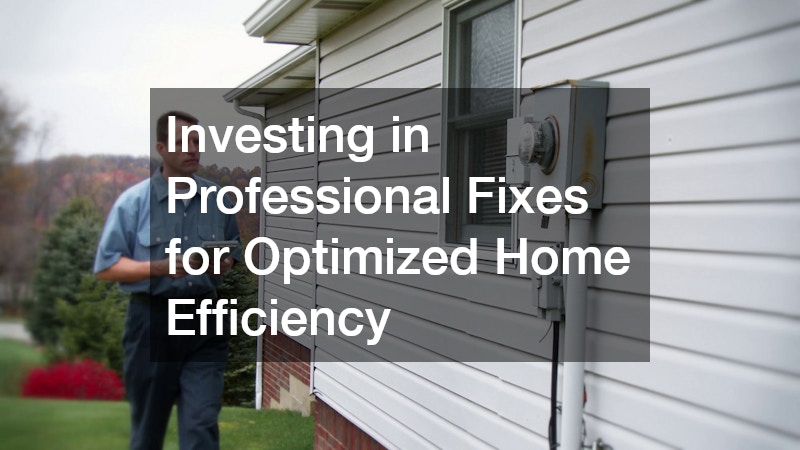
Homeowners often focus on habits like turning off lights, lowering the thermostat, or using the dishwasher fully loaded to reduce utility bills. While helpful, these actions barely address true residential conservation. Modern homes consist of interconnected systems, and inefficiencies in one can increase energy waste and costs. Many consider DIY fixes for these issues, supported by online tutorials and local hardware stores. However, complex systems need precise diagnosis and expertise unavailable in standard retail solutions. Amateur attempts often lead to temporary fixes that overlook root causes. Sustained home optimization requires a change in perspective. Instead of viewing professional maintenance as an emergency expense, it should be seen as an investment. Certified technicians can calibrate and repair household systems to maintain high efficiency.
Advanced Strategies for Eliminating Drafts and Thermal Leaks
The structural boundary that separates your conditioned living space from the unpredictable outdoor elements is known as the thermal envelope. When this envelope is compromised, your home suffers from a phenomenon known as the stack effect. During colder months, warm air naturally rises and escapes through unsealed gaps in the upper levels of the structure, such as the attic floor and ceiling fixtures. This escaping air creates a negative pressure zone in the lower levels of the house, which aggressively pulls cold air inside through basement cracks, crawlspaces, and exterior walls. This constant cycle forces your heating and cooling equipment into a perpetual state of overdrive, running prolonged cycles just to maintain a steady temperature.
Locating these invisible structural leaks goes far beyond looking for obvious gaps around your front door. Certified energy auditors use advanced technology, such as blower door tests and infrared thermography, to reveal exactly where air pressure is dropping and where insulation has settled or degraded inside your walls. Addressing these weak points creates an airtight barrier that stabilizes your indoor climate naturally.
To maximize the efficiency of your thermal envelope, focus on these critical areas:
- Insulate the attic floor completely: Ensure your attic has the appropriate R-value of insulation for your specific geographic region to prevent thermal bridging between living spaces and the roof deck.
- Target hidden penetrations: Seal the spaces around recessed lighting cans, plumbing stacks, electrical conduits, and chimney flues, as these are primary highways for unconditioned air exchange.
- Enhance window performance strategically: Rather than jumping straight into the massive expense of total window replacement, you can consult with specialized window treatment companies. They can install custom, tight-fitting cellular shades or heavy thermal blinds that trap air right at the glass surface, preventing solar heat gain during hot summer afternoons and blocking chilly drafts during the winter.
- Coordinate structural ventilation: It is vital to work alongside a reputable roofing company to ensure your attic ventilation is balanced. A professional team ensures that soffit, ridge, and gable vents work in tandem to exhaust heat and moisture out of your roof infrastructure, preventing the hot-box effect in July and stopping dangerous ice dams from forming on your eaves in January.
Maximizing Seasonal Performance Factors

Your heating and cooling systems are the undisputed heavy lifters of your household energy budget. In fact, environmental control typically accounts for more than half of the energy consumed in an average residential property. Because these mechanical systems are so energy-intensive, even a minor drop in operational performance translates instantly into spiked utility bills. One of the most common mistakes made in residential property management is deploying mismatched or uncalibrated climate systems that do not fit the specific architectural footprint of the home.
When a heating or cooling system is oversized for a space, a problem known as short-cycling occurs. The machine kicks on, floods the house with hot or cold air too rapidly, and shuts off before completing a full, balanced cycle. This frequent starting and stopping places immense electrical stress on the compressor and motor windings, consuming a massive surge of power every time the system restarts while failing to properly dehumidify the air. Conversely, an undersized system will run continuously without ever reaching the desired temperature setpoint, burning through fuel or electricity all day long.
Achieving peak mechanical efficiency requires accurate calculations and precision tuning that only a certified HVAC company can provide. Technicians use complex mathematical formulas to measure static duct pressure, air volume delivery, and exact refrigerant charges, ensuring your climate machinery operates at its absolute peak performance rating.
Consider these high-impact steps to optimize your indoor climate controls:
- Insist on manual J load calculations: Never allow a technician to size a replacement system based solely on the square footage of your home; insist on a comprehensive evaluation that accounts for wall thickness, insulation levels, and window orientations.
- Optimize airflow delivery pathways: Periodically check that supply vents and return grilles are completely unblocked by furniture, rugs, or drapes, as restricted airflow creates static backpressure that damages internal fans.
- Invest in professional heating updates: If your old heating system is nearing the end of its operational life, investing in a professional furnace installation is one of the quickest ways to cut your monthly gas or electric usage. Modern high-efficiency models utilize modulating gas valves and variable-speed blowers that automatically adjust their output in tiny increments, using only the precise amount of energy needed to keep your home comfortable.
- Maintain airtight duct networks: Have professionals test and seal your ductwork with specialized mastic or aerodynamic sealants, preventing conditioned air from leaking into unconditioned spaces like crawlspaces or attics.
Targeted Repairs to Counteract System Degradation
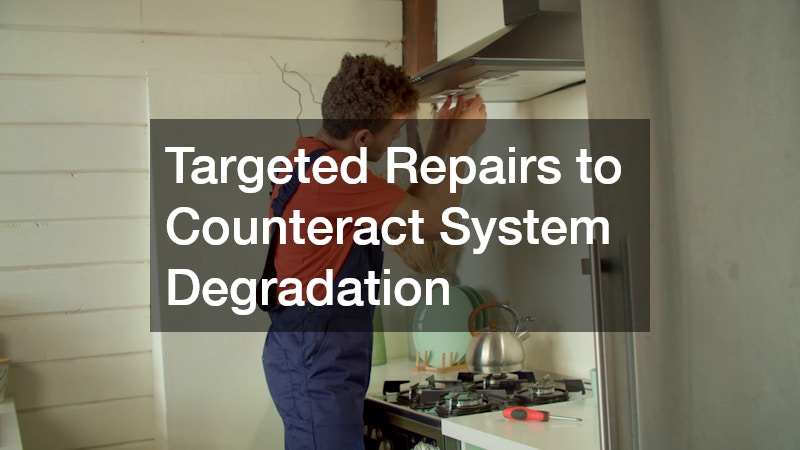
While replacing old, outdated equipment is sometimes necessary, many homeowners can significantly boost their home efficiency simply by restoring the peak performance of their existing, legacy machinery. As appliances and mechanical units age, they undergo gradual mechanical degradation that often goes unnoticed. Dust accumulates on sensitive electrical components, moving parts lose their lubrication, and critical sensors become coated in residue. This friction and buildup act as an insulative blanket, forcing the machines to pull significantly more amperage from your electrical panel to perform standard everyday operations.
For example, a thick layer of dust on an air conditioning coil blocks the essential heat exchange process, meaning the system has to run for forty minutes to achieve the cooling impact that a clean coil could accomplish in twenty minutes. Similarly, a worn-out belt or unlubricated bearing in a household appliance creates physical resistance, converting valuable electricity into wasted, destructive heat instead of useful kinetic energy.
By choosing targeted, professional intervention early, you can reverse this creeping inefficiency before it causes permanent structural damage or complete component failure. Certified repair specialists can restore factory-spec clearances, cleanse sensitive heat-exchange surfaces, and ensure that safety controls are fully operational.
To protect your existing hardware and lower operational overhead, implement the following habits:
- Listen carefully for acoustic warnings: Be alert to unusual rattles, squeals, or humming noises coming from your major systems, as these audio cues almost always indicate a component that is experiencing high friction and wasting power.
- Keep external units pristine: Ensure that the outdoor condenser unit of your cooling system has at least two feet of clear space around it, free of weeds, leaves, bushes, and outdoor storage, to allow for unrestricted thermal dissipation.
- Schedule timely air conditioning repair: Instead of waiting for your cooling unit to blow completely warm air in the middle of a heatwave, bring in a pro at the first sign of a extended runtime or weak airflow. A licensed air conditioning repair technician can pinpoint issues like failing fan motors, degraded start capacitors, or minor refrigerant leaks that kill efficiency.
- Audit household machinery regularly: Do not overlook the smaller workhorses in your home. Scheduling a periodic appliance repair visit for items like your clothes dryer, refrigerator, or built-in oven ensures that heating elements, door gaskets, and internal thermostats are perfectly calibrated, preventing hidden energy drains in the kitchen and laundry room.
Streamlining Water Flow and Thermal Delivery

Water delivery and water heating represent another massive arena for potential efficiency gains. Many homeowners do not realize that water management is intimately linked to energy consumption. Every gallon of water that enters your home must be pressurized, moved through routing pipes, and, in many cases, raised significantly in temperature. If your plumbing system suffers from high internal friction, mineral accumulation, or hidden leaks, you are essentially pouring money down the drain in the form of both wasted water resources and excessive heating fuel.
Mineral scaling is one of the most aggressive enemies of fluid efficiency. In regions with hard water, dissolved calcium and magnesium continuously precipitate out of the water supply, forming a rocky, calcified crust inside your distribution pipes and directly on the heating elements of your appliances. In a water heating tank, this scale layer acts as a powerful thermal insulator. The burner or electric element must first bake through inches of solid rock before it can begin heating the water inside, drastically extending the time and energy required to provide hot water to your taps.
To combat these unseen plumbing inefficiencies, consider the following proactive updates:
- Monitor your main water meter: Check your water meter during a period when no appliances or faucets are running; if the dial is moving, you have an active leak that is wasting resources and putting a constant load on your infrastructure.
- Insulate hot water distribution lines: Wrap exposed hot water pipes in foam sleeves, particularly where they run through unheated basements or crawlspaces, to reduce standby thermal loss and get hot water to your fixtures faster.
- Enlist a comprehensive plumbing service: Bring in a licensed plumbing service professional to perform a whole-house pressure test and check for micro-leaks behind walls or beneath your concrete slab, which protects your home structure while optimizing overall water delivery dynamics.
- Prioritize professional water heater repairs: If you notice your hot water supply diminishing quickly or hear a rumbling sound coming from your tank, it is time for specialized water heater repairs. A water heater repairs professional can safely flush out accumulated sediment deposits, replace failing anode rods, and calibrate thermostat controls, instantly restoring the swift heat transfer required for low-energy operation.
Eliminating Friction in Household Infrastructure
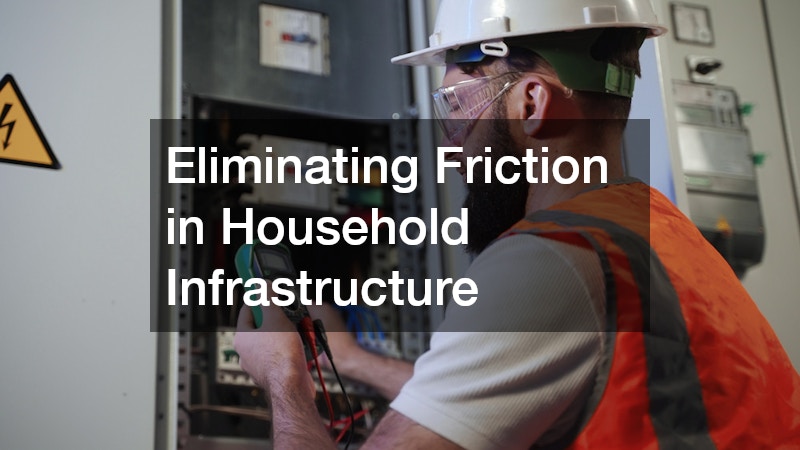
The final pillars of a highly optimized home involve the systems responsible for waste removal and electrical distribution. These two utilities represent the intake and exhaust pathways of your home’s operational energy, and any restriction or imbalance within them creates immediate drag across the entire property. Waste lines are governed by gravity and smooth fluid dynamics, while electrical lines are governed by resistance and clean load balancing.
When main drain lines become partially obstructed by grease buildup, hair, soap scum, or intrusive tree roots, water drains slowly. While this might seem like a simple inconvenience, it actually creates a heavy mechanical tax on your home. Slow drainage forces sump pumps, sewage ejector pumps, and garbage disposals to operate against high backpressure for extended periods, causing their electric motors to run hot and consume far more electricity than necessary.
Similarly, your electrical system can become a major source of hidden energy loss through a process known as line resistance. Outdated electrical panels, loose terminal connections, and corroded wiring create points of high resistance. When electricity flows through a high-resistance point, a portion of that energy is lost, transforming into dangerous heat inside your walls instead of safely powering your electronics. This can lead to flickering lights, tripped breakers, and an inflated utility bill.
To ensure your home infrastructure is clear and operating safely, execute these best practices:
- Avoid chemical drain clearers entirely: Never pour harsh retail chemical cleaners down your drains, as they generate intense exothermic reactions that cook and weaken plastic pipes, corrode metal lines, and leave behind rough surfaces that encourage future clogs.
- Audit your standby power consumers: Identify the large electronic items in your home that draw constant power even when turned off, and use smart power strips to cut off this vampire load completely when they are not in active use.
- Partner with a dedicated drain cleaning company: Instead of relying on temporary retail plungers or hand snakes, have a professional drain cleaning company clear your main lines using specialized hydro-jetting equipment. This process scours the internal pipe walls completely clean with high-pressure water, restoring original fluid dynamics and eliminating the strain on automated pump systems.
- Invest in professional electrical services: Schedule a thorough inspection with an expert providing comprehensive electrical services to examine your main service panel. A certified electrician can tighten loose connections, replace degrading breakers, balance the electrical loads across your individual circuits, and upgrade your wiring infrastructure to handle modern technological demands without overheating or wasting power.
Optimizing a home for efficiency requires a commitment to understanding it as an integrated ecosystem, where insulation, heating, plumbing, and electrical systems depend on one another. Neglecting any sector while upgrading another can lead to inefficient results and wasted investments. Although hiring specialized professionals may seem costly initially, it is financially beneficial in the long run. They provide accurate diagnostics, high-grade materials, and precision calibrations to prevent system failures and breakdowns. Besides ensuring safety and stability, they help reduce energy and water bills, gradually repaying your investment. By partnering with experienced technicians instead of relying on DIY attempts, your home becomes efficient, sustainable, and comfortable for the long term.