Highlights
-
Hidden Danger: Undetected under-sink moisture quickly causes structural rot, cabinet degradation, and rapid microbial growth inside residential properties.
-
Early Indicators: Recognizing persistent musty odors, peeling cabinet finishes, and warped wooden panels enables timely interventions before severe damage occurs.
-
Systematic Inspection: Routinely examining shut-off valves, P-trap connections, and supply lines isolates small drips before catastrophic pipe failures happen.
-
Proactive Maintenance: Replacing degraded rubber washers, tightening loose slip nuts, and installing modern leak sensors prevents costly emergency repairs.
-
Expert Assistance: Partnering with a licensed professional ensures proper installation standards and compliance with local municipal plumbing codes.
-
Authoritative Standards: Leveraging government health guidelines and housing safety standards protects indoor air quality and structural integrity.
Why Are Under-Sink Water Leaks Particularly Destructive to Home Structures and Indoor Air Quality?
Hidden water leaks under kitchen and bathroom sinks represent one of the most insidious threats to residential properties because they frequently operate unnoticed for months. Enclosed within dark, unventilated wooden cabinets, even a tiny pinhole leak or slow drip creates an ideal breeding ground for toxic fungal spores and structural wood rot.
As moisture continuously seeps into cabinet flooring and baseboards, organic cellulose materials absorb the liquid, warping structural panels and compromising nearby drywall. Beyond causing expensive cosmetic and structural destruction, persistent moisture rapidly triggers mold spore germination, which degrades indoor air quality throughout the home. Because the enclosure hides dripping pipes from immediate view, homeowners often remain entirely unaware of the ongoing damage until severe rot or health symptoms manifest. Engaging a certified plumber to inspect these concealed connection points protects both physical building materials and family health.
What Early Visual and Environmental Warning Signs Indicate a Hidden Moisture Problem Under the Sink?
Identifying an under-sink leak requires paying close attention to subtle physical changes in cabinet materials, air quality, and plumbing fixtures long before pooling water becomes obvious on the kitchen floor. Recognizing these early environmental warning signs allows property owners to address minor pipe issues before extensive microbial growth takes hold:
-
Musty Odors: A persistent damp or earthy smell radiating from enclosed cabinets strongly indicates active fungal growth behind wooden panels.
-
Warped Cabinet Flooring: Buckling, bubbling, or sagging wooden surfaces under drain lines signal chronic water absorption from above.
-
Discolored Surfaces: Dark rings, water stains, or white mineral deposits along supply lines point directly to slow, intermittent seepage.
-
Peeling Laminate: Peeling veneer or flaking paint along cabinet interiors indicates elevated humidity levels caused by uncontained dripping.
-
Corroded Metal Joints: Visible green or rust-colored oxidation surrounding brass valves and copper fittings signals persistent moisture exposure.
How Can Homeowners Systematically Inspect Under-Sink Components to Locate Active Leaks?
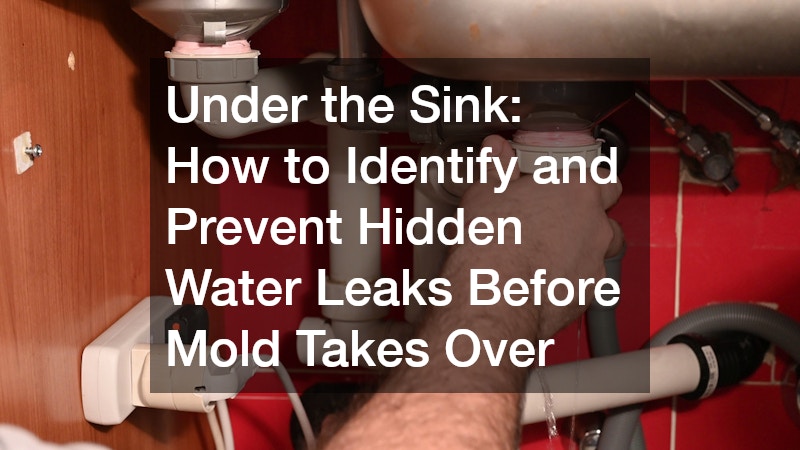
Conducting a thorough under-sink inspection involves methodically checking three distinct zones: the sink drain assembly, supply lines, and shut-off valves. Begin by completely clearing out stored cleaning supplies, trash bins, and boxes to gain an unobstructed view of all piping connections. Next, run the sink faucet at full volume while using a bright flashlight and dry paper towel to wipe down every joint, slip nut, and braided supply line. The dry paper towel quickly reveals hidden droplets along the undersides of P-traps, garbage disposal seals, and valve stems that eyes might miss. If an isolated supply line continues to drip even after basic adjustments, contacting a qualified plumber ensures the pressurized connection is re-sealed correctly using code-compliant materials, eliminating the threat of a sudden catastrophic line burst.
What Practical Preventive Measures Stop Under-Sink Leaks and Mold Growth Before They Start?
Preventing under-sink moisture damage requires a combination of routine mechanical maintenance, proper storage habits, and modern environmental monitoring technology. Adopting proactive protective strategies ensures that plumbing hardware operates smoothly while safeguarding vulnerable wooden cabinetry from unexpected appliance failures:
-
Install Leak Alarms: Place battery-operated electronic moisture sensors directly beneath drain joints to trigger audible alerts at the first drop of water.
-
Upgrade Supply Lines: Replace aging plastic flex lines with durable, stainless-steel braided hoses designed to resist high water pressure spikes.
-
Avoid Cabinet Overcrowding: Store heavy items away from delicate P-trap joints to prevent accidental physical displacement or joint loosening.
-
Replace Worn Seals: Swap out hardened rubber washers, plumber’s putty, and degraded thread sealant tape every few years during routine checks.
-
Add Protective Trays: Lay down waterproof silicone under-sink mats with raised edges to catch minor drips and shield cabinet wood from spills.
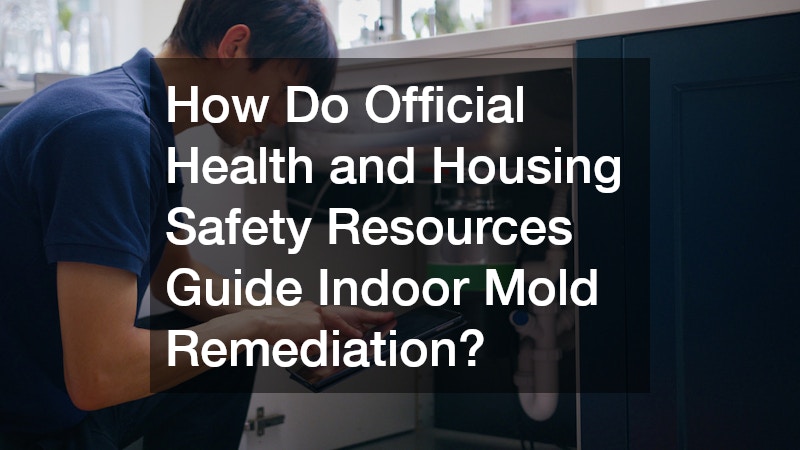
How Do Official Health and Housing Safety Resources Guide Indoor Mold Remediation?
Remediating mold and restoring indoor air quality after a plumbing leak requires following established public health protocols and environmental safety standards. Homeowners seeking guidance on safely cleaning mold, managing indoor humidity, and preventing respiratory irritation should review the comprehensive standards published by the U.S. Environmental Protection Agency. Furthermore, for evidence-based information regarding the specific health impacts of mold exposure, damp indoor spaces, and airborne allergen control, property owners can consult clinical resources provided by the Centers for Disease Control and Prevention. Additionally, technical research regarding residential building codes, moisture barriers, and structural wood preservation is available through the U.S. Department of Housing and Urban Development. Relying on these verified federal standards ensures that water damage remediation is conducted safely and thoroughly.
Hidden under-sink water leaks are a silent threat that can rapidly transform a minor plumbing inconvenience into a severe structural and public health hazard. By understanding the early warning signs, conducting routine paper-towel inspections, and replacing aging supply lines proactively, homeowners can effectively protect their living spaces from invasive mold growth and wood rot. Utilizing smart moisture alarms and silicone cabinet liners adds an essential layer of defense that catches unexpected drips before they damage surrounding property. Backed by verified federal health guidelines and prompt professional plumbing support when complex issues arise, maintaining dry, well-ventilated under-sink cabinets ensures your home remains safe, structural sound, and healthy for years to come.