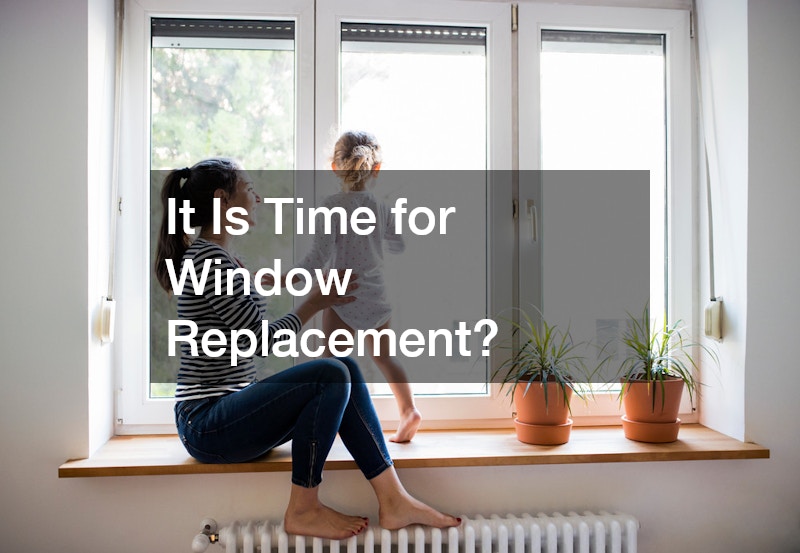
1.1 Signs of Window Damage
Windows are often considered the eyes of a home, and any damage to them can significantly affect its appeal. Visible cracks, warping, or broken glass are sure indicators that a replacement is necessary. Beyond the obvious, subtler signs like condensation between glass panes and water stains on the frames can signal underlying issues. Such damages not only compromise the structural integrity but can also lead to increased utility bills if not addressed timely.
Rotting wood or mold growth around frames can further exacerbate these problems, necessitating immediate attention.
One common consequence of window damage is a noticeable draft inside the house, which can affect indoor temperatures. If you feel colder air around older windows, it might be because the seals have deteriorated over time. Drafts are often accompanied by increased humidity and discomfort, impacting daily living. This is particularly detrimental in harsher climates, where weather extremes magnify these shortcomings. Therefore, keeping a vigilant eye on these aspects can prevent further damage and make replacement decisions clearer.
It’s essential to remember that windows are a key structural component of any house, providing safety and durability. Deteriorating windows can lead to security vulnerabilities, especially if they no longer lock properly. Vulnerable windows increase the risk of break-ins and other security threats, making replacement a necessary upgrade from a safety perspective. Regularly inspecting windows for signs of damage can help maintain the structural integrity of a home. Ultimately, identifying and addressing these signs of damage is crucial for preserving a safe, secure living environment.
1.2 Energy Efficiency Considerations
Energy efficiency is a significant factor when assessing whether windows require replacement. Outdated windows can be a considerable source of energy loss, contributing to higher heating and cooling costs. Leaky windows account for up to 30% of a home’s heating energy use, highlighting the importance of efficient window systems. By reducing unwanted air exchange, energy-efficient windows maintain indoor temperatures more effectively. This not only decreases the environmental footprint but also leads to substantial savings on utility bills.
The role of windows in a home goes beyond aesthetics; efficient windows contribute to a more sustainable living environment. Replacement windows with low-emissivity coatings and double-paned glass can significantly reduce energy waste. Advanced technologies such as these help in reflecting heat back into the room during winter while keeping the heat out during summer. Thus, investing in energy-efficient windows is not just a cost-saving measure but also a commitment to reducing one’s carbon footprint. It helps foster a comfortable home environment while aligning with broader sustainability goals.
Modern windows come with multiple energy-efficient features designed to minimize energy loss. These features often include advanced weatherstripping and spacer systems between panes that improve thermal performance. Choosing the right type of energy-efficient window can vary based on regional climates. Consultations with energy specialists can provide valuable insights into the most suitable options for one’s needs. Ultimately, upgrading to energy-efficient windows pays off in enhanced comfort, reduced energy expenditures, and a greener tomorrow.
1.3 Decreased Home Value
Windows play a pivotal role in determining a home’s market value, influencing both aesthetics and functionality. Customers today are more energy-conscious and often scout for properties with modern, energy-efficient windows. Homes with old, dysfunctional windows tend to draw lower offers and may even languish on the market. By replacing outdated windows, homeowners can refresh the home’s appearance and appeal to potential buyers. Therefore, considering window replacement as an investment can lead to an increased return when selling the property.
While window replacement might seem a costly endeavor, the long-term financial benefits often outweigh initial expenditures. Every dollar spent on windows can add to the home’s valuation, with some estimates suggesting returns as high as 70% of the replacement cost. The enhanced curb appeal and improved energy efficiency can make a considerable difference compared to neighboring homes. Sellers often find that making such improvements can lead to quicker sales and better profitability. Thus, revaluing the significance of windows in home valuation can lead to more informed decisions on repairs vs. replacements.
Real estate trends continually highlight a focus on sustainable, low-maintenance features in homes. Replacement windows meet both standards, signaling to potential buyers a forward-thinking approach to home improvement. With technologies advancing continually, newer windows offer better soundproofing, insulation, and lifecycle benefits. In essence, these improvements resonate with buyer expectations, making the property more competitive. As such, modernizing windows not only sustains the home’s value but also positions it as a top choice in a competitive real estate market.
1.4 Increased Outside Noise
Noise pollution is an often-overlooked consideration when evaluating window performance. Windows with poor insulation properties often result in increased noise infiltration, disrupting the tranquility of a home. If traffic, neighborhood activities, or other external sounds penetrate the indoor space, it’s likely a sign that the windows are not functioning optimally. Enhanced options like double-glazed windows can significantly reduce noise levels, restoring a sense of peace and quiet within the home. Consequently, evaluating the soundproofing capacity of windows can signal when replacements are needed.
Reducing noise levels indoors can have multiple positive effects on a household’s well-being. Excessive noise can lead to increased stress levels, making it difficult for inhabitants to relax or concentrate. This particularly impacts individuals working from home, where a quiet environment is crucial. By replacing old windows with advanced, soundproof alternatives, families can experience a calmer and more harmonious living space. Such transformations can remarkably enhance quality of life, creating a restful home environment shielded from unwelcome noise.
Modern window designs incorporate various materials and technologies aimed at mitigating external noise. These can include triple glazing, laminated glass, and insulated frames which work together to block sound transmission. The degree of noise reduction can vary depending on the construction and installation quality of each window model. Personal experiences with increased noise disturbances can prompt research into specialized window designs. As awareness of noise implications grows, more homeowners choose window replacements to enjoy the full benefits of soundproof options.
1.5 Difficulty in Operation
Ease of use is an integral component of window functionality that can often be underestimated. Windows that have become difficult to open or close are not just inconvenient; they can also be unsafe. Struggling to operate windows in case of emergencies poses a direct safety risk, reinforcing the need for replacement. A well-functioning window should glide smoothly and seal effectively without requiring excessive force. Therefore, difficulty in operation is a major signal pointing towards the need for an upgrade.
Several factors could contribute to difficulties in operating windows. Environmental conditions like humidity and seasonal temperature swings can cause materials to expand and contract, distorting frames and mechanisms over time. Accumulation of debris or outdated hardware can also be culprits behind sticking or jamming windows. These inefficiencies not only diminish user experience but may also necessitate professional intervention if left unaddressed. Timely replacements can ensure that homeowners maintain optimal usability and avoid frustrating malfunctions.
Beyond daily convenience, operational efficiency contributes to overall household efficiency. When windows fail to shut properly, they allow drafts and moisture entry, exacerbating heating and cooling challenges. This inefficiency inadvertently leads to increased energy consumption as HVAC systems work harder to maintain set temperatures. Therefore, addressing operational difficulties not only benefits maneuverability but also aids in preserving a home’s energy resilience. Given these multifaceted considerations, reassessing and replacing difficult-to-operate windows is a prudent home improvement decision.
What Are the Benefits of Replacing Windows?
2.1 Improved Energy Efficiency
Replacing old windows with new ones significantly enhances a home’s energy efficiency. Modern windows are designed with better insulation properties that effectively reduce energy loss through windows. By installing energy-efficient windows, homeowners can achieve substantial savings on utility bills by maintaining a consistent indoor climate with less reliance on heating and cooling systems. Such windows often feature double or triple glazing and gas fills between the panes to reduce heat transfer. The upfront investment in replacement windows can result in long-term cost benefits due to reduced energy consumption.
Energy-efficient windows contribute to a home’s sustainability footprint by minimizing wasted energy. Advanced window designs incorporate coatings that reflect infrared and ultraviolet light, preventing heat from entering in the summer and escaping in the winter. This not only benefits the environment but also adds to the home’s comfort by reducing thermal imbalances. Moreover, many regions offer incentives or rebates for installing energy-efficient windows, further offsetting installation costs. These savings make the choice of upgrading windows a financially sound decision in the long run.
The advantages of improved energy efficiency extend beyond economic savings. Energy-efficient windows enhance the home’s livability by improving indoor air quality and reducing drafts. As energy-efficient windows minimize the need for constant HVAC adjustments, they contribute to a quieter, more stable indoor environment. Upgrading to energy-efficient options goes hand in hand with reducing carbon emissions from household energy use. By selecting beneficial window replacements, homeowners contribute positively to environmental efforts while enhancing their home’s overall comfort.
2.2 Enhanced Home Aesthetics
Replacing windows is an effective way to enhance a home’s curb appeal and add personal design touches. Different styles, materials, and finishes can transform a home’s exterior, adding modern charm or classic elegance as desired. Whether opting for sleek, minimalist designs or ornate, vintage models, new windows provide a fresh, updated look. This aesthetic revamp can rejuvenate older properties and align them with contemporary or personalized design themes. In turn, the home exudes a welcoming impression, potentially increasing its attractiveness to potential buyers.
Beyond exterior appeal, replacement windows can significantly elevate the interior aesthetics of a home. Natural light accentuates interior spaces, enhancing openness and creating a warm, inviting atmosphere. Windows with larger panes and custom designs can blend harmoniously with interior design choices, highlighting features such as furnishings and decor. Improved vistas create a seamless interaction between indoor and outdoor environments, promoting a sense of spaciousness and connectivity. Therefore, selecting replacement windows provides opportunities to integrate indoor aesthetics and elevate the home’s allure.
Additionally, stylish and functional window replacements can complement architectural elements, reinforcing the integrity and unique character of a home. Trims, finishes, and functional enhancements like grids or tints can be customized to align with architectural aspirations. With numerous options available, homeowners can creatively express their preferences and craft a harmonious aesthetic both inside and out. This makes choosing the right type and style of windows crucial for ensuring a beautifully cohesive home. Ultimately, window replacement is a strategic aesthetic investment that contributes to both form and function.
2.3 Increased Home Value
Replacing windows is a favored renovation that adds tangible value to a home, capturing attention from potential buyers and appraisers alike. New windows are a visible upgrade, providing a modernized appearance that can attract competitive offers. As buyers increasingly value energy efficiency, homes featuring new windows stand out for their long-term cost benefits and modern amenities. This particular upgrade can recoup a significant portion of its cost when selling, making it an appealing return on investment. Thus, installing new windows can result in both a quickened sale process and increased market value overall.
Window replacements also contribute to a home’s perceived value, positioning it favorably in comparisons against similar properties. Unique styles and enhanced performance elements can highlight a property as modern and well-maintained, fostering a positive client impression. Realtors often promote homes with new windows as part of their marketing strategies to highlight investment into energy conservation and modern comforts. The initiative to upgrade suggests that the homeowner values meticulous care and quality, enhancing the home’s allure. Therefore, recognizing and acting on the influence of window replacement can strategically boost real estate investment returns.
Moreover, upgrading windows can help safeguard a home’s value by preemptively addressing issues that may arise from outdated systems. Buyers are increasingly discerning, with a keen eye on potential maintenance surprises or added renovation costs due to aging features. By replacing old windows, sellers can alleviate concerns surrounding problems like drafts, difficulty in operation, durability, and aesthetic appeal. Keeping these factors in check ensures that future buyers perceive the property as turn-key, paving the way for successful negotiations. Window replacements thus align practical intentions with market dynamics, driving value within saturated markets.
2.4 Noise Reduction
Noise pollution is increasingly prevalent in our urban and suburban landscapes, yet replacement windows offer a practical solution. Windows act as important barriers to external noise when effectively sealed, with advanced models significantly dampening sound transmission. Single-pane windows often fall short in soundproofing, necessitating replacement with double or triple-glazing versions. Many new designs incorporate specialized frames and laminates that absorb sound waves, lessening ambient noise from sources like traffic or neighbors. As such, noise-canceling windows can transform a loud interior into a more peaceful and reside space.
Noise reduction is not merely about comfort; it directly affects the health and well-being of those within the home. Reduced stress levels, improved sleep quality, and well-regulated concentration levels hail as benefits from quieter environments. Homeowners who live in bustling areas, busy streets, or near highways stand to gain from the advantages offered by advanced soundproof windows. This beneficial shift towards quieter, more serene living conditions fosters a positive domestic atmosphere, enhancing quality of life. For this reason, professionals recommend window replacement as a vital consideration for maintaining and improving home health.
The choice to install noise-reducing windows can also influence social interactions and relaxation within the household. Family gatherings or quiet moments are less disturbed, facilitating more meaningful communications and leisure creativity. Occupants may even experience heightened productivity if working or studying from home, as ambient distractions decrease. Hence, replacing windows with soundproof models elevates the home to an enclave of relaxation and refuge. Prioritizing noise abatement through window upgrades mitigates both external sounds and stress, offering a genuinely transformative home improvement project.
2.5 Improved Comfort and Safety
Replacing outdated windows represents a pivotal step in enhancing both comfort and safety within a home. Advanced window technologies foster warmth during winter, a cool refuge during summer, and consistent indoor temperatures overall. Such improvements curtail the influence of external weather conditions, augmenting general comfort. Window replacements can also address leaks, drafts, and humidity issues that compromise indoor air quality. As a result, it enhances the living environment by allowing inhabitants to experience a healthier, more comfortable interior climate.
Safety benefits of modern windows extend beyond enhanced comfort levels. Replacements often feature shatter-resistant glass and robust locking mechanisms that improve security and deter intrusions. Windows previously compromised by damage or aging limitations can pose risks, whereas recent versions provide superior home protection. Peace of mind is enhanced with improvements like child-safe locking features, meeting stringent safety regulations. These upgrades work in tandem to ensure that a home is not only beautiful and energy-efficient but also secure and protective over its inhabitants.
Homeowners often take solace in enhancements that provide extra layers of protection while contributing to a stress-free environment. The integration of safety features means that homeowners can trust their windows to promote both wellbeing and reliable security. Whether safeguarding against unpredictable weather, accidental impacts, or potential break-ins, new windows bolster many aspects of household resilience. Together, these benefits underscore the inherent value of window replacements as an indispensable component for any modern abode. Not only do such innovations accommodate everyday safety, but they also serve as proactive investments in a home’s future stability.
What Types of Windows Should I Consider?
3.1 Double-Hung Windows
Double-hung windows are a popular choice among homeowners due to their classic design and versatile functionality. They feature two sliding sashes, allowing both the top and bottom halves to be opened for improved ventilation. This design facilitates easy cleaning from the inside while offering flexibility in ventilation by opening from either or both sashes. Known for their timeless aesthetics, double-hung windows complement a wide range of architectural styles, making them a favorite in diverse settings. Furthermore, their ease of operation and straightforward design make them an attractive option for both traditional and modern homes.
Energy efficiency is a vital consideration when exploring double-hung windows. Modern designs often include features like double glazing and low-emissivity glass to enhance thermal performance. This results in reduced heat transfer and lower energy consumption, aligning double-hung options with eco-friendly and cost-saving goals. With sealant improvements and durable materials, double-hung windows maintain airtight seals that minimize drafts. Consequently, their comprehensive benefits combine charm and practicality, enhancing indoor comfort throughout the year.
Beyond their practical benefits, double-hung windows contribute significantly to a home’s aesthetic appeal. Their balanced, symmetrical look enhances visual interest, elevating both the interior and exterior spaces. Homeowners may choose from an array of colors, finishes, and trim variations to align with personal and architectural expectations. This flexibility allows for customized solutions that add personality and character to a home. Ultimately, double-hung windows provide a perfect combination of tradition, innovation, and diverse style compatibility.
3.2 Casement Windows
Casement windows are renowned for their outstanding ventilation and unobstructed views, functioning as an excellent window choice for modern homes. This window style secures on one side and swings outward like a door, allowing for maximum air flow when opened. By capturing breezes more efficiently than many other designs, casement windows promote excellent airflow and trap the least amount of humidity indoors. Weather-resistance features, including compression seals along the edges, further enhance their energy performance. Their tight seal offers impressive energy efficiency advantages, keeping out wind and moisture while preserving room temperature control.
Casement windows boast durability and security due to reinforced frames and multipoint locking systems. This combination provides peace of mind, catering to those emphasizing home safety alongside aesthetics. Constructed with strong frames and secure locks, these windows not only limit break-ins but also withstand extreme weather conditions. They are ideal for eco-conscious homeowners searching for energy-saving options, with double or triple glazing options enhancing insulation. These windows offer an exemplary relationship between durability and innovative design by uniting advanced functionality with sleek, modern beauty.
The aesthetic appeal of casement windows is marked by minimalist design and stylish simplicity. Without obstructing muntins, they permit more natural light inside, creating the illusion of spaciousness and extending interior ambiance. This versatility allows them to harmonize with diverse styles, whether paired alongside contemporary, rustic, or elegant architecture. Customizable in terms of color, material, and finish, casement windows can effortlessly transform a property’s visual identity. Both highly functional and strikingly elegant, casement windows offer a sophisticated balance of form and function suitable for any discerning homeowner.
3.3 Sliding Windows
Sliding windows are an ideal solution for maximizing space and ensuring effortless operation, offering a sleek, modern appearance. Their horizontal operation makes them particularly suited for areas where maintaining a clear, airy view is desired. The durability and simplicity of design in sliding windows often attract homeowners seeking an efficient window replacements that requires minimal maintenance. The easy-glide track system supports frictionless motion, ensuring simple usage across a wide range of window sizes. Their practical features make sliding windows a popular choice for kitchens, living rooms, and other rooms benefitting from unobstructed scenery.