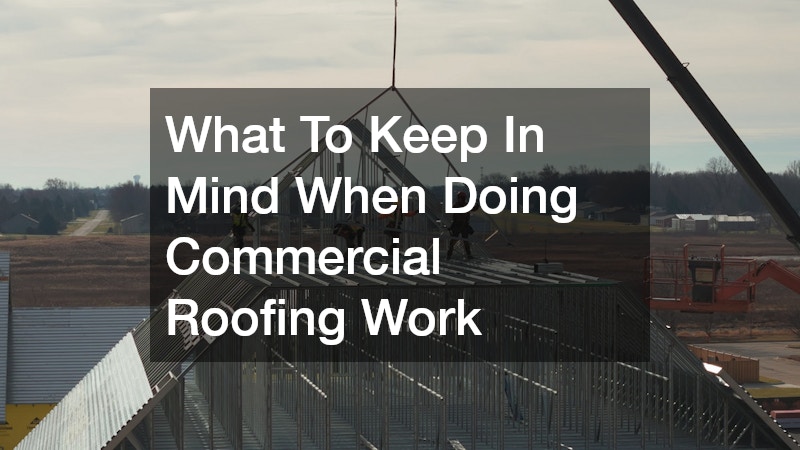
Commercial roofing is a significant part of building maintenance and requires a strategic approach. When embarking on a commercial roofing project, it’s crucial to understand the full scope, which differs widely from residential roofing. Larger areas, diverse materials, and complex design elements must be considered in the planning stages.
Additionally, commercial roofs support HVAC and other mechanical systems that residential roofs generally do not. These factors collectively influence both the timeline and the budget for the project.
Another vital aspect is the type of building and its primary use, as this will determine the type of roofing material and design best suited for the structure. For instance, warehouses might prioritize functionality and insulation, whereas customer-facing facilities may focus on aesthetics. Moreover, understanding the building’s daily operations and peak usage times can impact scheduling to minimize disruptions. Engaging with stakeholders, such as the building manager or occupants, brings clarity about operational limitations. Consequently, this understanding aids in developing a plan that aligns with business operations and budgetary constraints.
Local building codes and regulations also play a significant role in commercial roofing projects. Compliance with these codes is essential not only legally but to ensure the longevity and safety of the roof. Building permits, safety standards, and environmental considerations are just a few elements of what needs review. A mistake in understanding or adhering to these codes can delay projects and inflate costs. Therefore, contractors should stay informed about the latest building regulations in the area where the commercial property is located.
Choosing the Right Materials for Commercial Roofing
Selecting the right materials for a commercial roof is paramount to the structure’s durability and efficiency. Material choice impacts the roof’s ability to withstand weather conditions, provide insulation, and achieve energy efficiency. Common materials for commercial roofs include metal, single-ply membranes, and modified bitumen—all offering unique benefits. It’s important to weigh these options against factors such as climate, budget, and building use. For example, a metal roof might offer extended durability, while single-ply membranes could be more cost-effective upfront.
Additionally, technological advancements have introduced eco-friendly materials designed to improve sustainability and reduce energy costs. Green roofing systems, for example, provide benefits such as natural insulation and reducing heat. These environmentally conscious options are not only a part of good corporate responsibility but are also often incentivized with tax breaks. Moreover, investing in high-quality materials may lead to lower maintenance costs over the roof’s lifespan. Thus, a long-term perspective can be beneficial when deciding on materials.
Engaging with a seasoned roofing professional to analyze and make recommendations can be highly advantageous. A knowledgeable contractor will assess the roof’s current condition and propose materials that suit the specific needs of the building. They will consider factors such as roof slope, exposure to elements, and the intended lifespan of the materials. Their insights and experience can lead to more informed decision-making. This collaboration is essential for a successful commercial roofing project, ensuring that the investment meets both short-term needs and long-term objectives.
Ensuring Safety During Roofing Projects
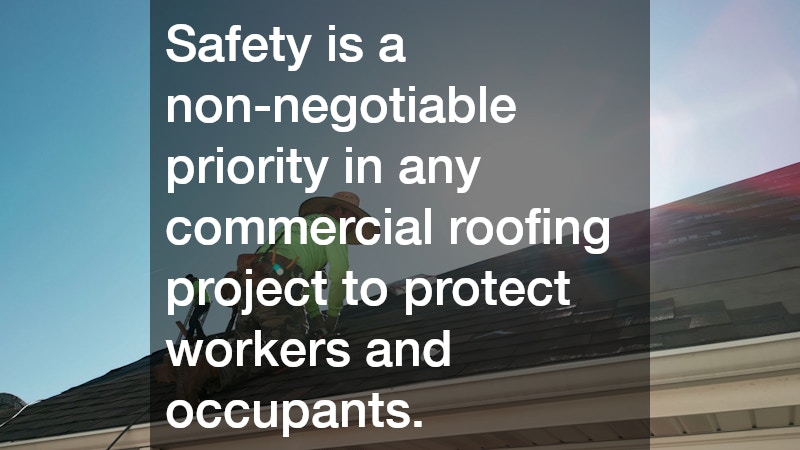
Safety is a non-negotiable priority in any commercial roofing project to protect workers and occupants. A comprehensive safety plan that addresses potential hazards is crucial before commencing any work. This plan should include proper training for workers, adherence to OSHA standards, and use of personal protective equipment (PPE). Regular safety briefings and on-site supervision can further minimize risks, ensuring that safety protocols are constantly observed. Effective safety management not only protects the workforce but also aids in keeping the project on schedule.
In addition to worker safety, maintaining the structural safety of the building itself is critical. During roofing work, ensure that debris and tools are securely managed to prevent them from becoming hazards. Establish clear zones for material storage and waste disposal to avoid accidents. Moreover, routine inspections of tools and equipment reduce the likelihood of mechanical failures. The involvement of all parties, including subcontractors, in safety discussions can fortify these practices.
Finally, contingency planning for emergencies serves as a safety net should unexpected issues arise. Potential weather delays, equipment breakdowns, or unforeseen structural challenges are best addressed with predefined action plans. Communication between the roofing team and building personnel is essential for a coordinated response. Having a designated emergency contact and clear procedures in place ensures swift resolution of incidents. Ultimately, thorough safety planning upholds the integrity of the project and the safety of everyone involved.
Project Management and Coordination
Successful commercial roofing projects demand meticulous project management and coordination. A well-structured timeline that accounts for potential disruptions lays the foundation for effective management. Regular progress meetings help align the roofing team with stakeholders concerning any changes or adjustments needed. Utilizing project management software can also provide clarity and tracking of key milestones and deadlines. Coordinators must also ensure that material orders, permits, and deliveries are synchronized with the work schedule.
Effective communication stands at the heart of successful coordination. Keeping all parties – from the on-ground crew to building management – informed about project progress fosters transparency and trust. Clear communication protocols mitigate misunderstandings and ensure that updates are consistently shared. Each phase of the roofing process benefits from informed decision-making and prompt response to any arising issues. This way, potential setbacks can be addressed swiftly, keeping the project on track and within budget.
Furthermore, adaptability is a critical trait in managing extensive commercial projects. The ability to adjust plans as per the real-time situation ensures project continuity. Environmental conditions, supply chain disruptions, and other unpredictabilities are best managed by having contingency strategies ready. Regular reviews of progress and timelines facilitate better anticipation and mitigation of issues. By fostering a proactive rather than reactive management approach, the likelihood of a successful project outcome significantly increases.