
Kitchen lighting plays an important role in how a space looks, feels, and functions. The right fixtures can brighten work areas, highlight design features, and create a comfortable atmosphere for everyday activities. When planning a renovation, kitchen remodeling contractors consider several factors to create a lighting plan that balances practicality with style.
Assess the Kitchen’s Layout and Natural Light
The first step in choosing kitchen lighting is evaluating the room’s layout. Kitchen remodelers consider the location of countertops, islands, cabinets, appliances, dining areas, and walkways to determine where you need additional light.
This helps ensure that important work areas receive adequate light without creating unnecessary glare or shadows.
Natural light is another important consideration. Windows, skylights, and glass doors can provide significant daytime illumination, which may affect where artificial lighting is needed. A kitchen with abundant sunlight may require fewer fixtures during the day, while a darker space may benefit from a more comprehensive lighting plan.
The kitchen’s size and ceiling height can also influence fixture selection. Larger kitchens may require multiple light sources to distribute illumination evenly, while smaller rooms may benefit from streamlined fixtures that provide sufficient brightness without overwhelming the space. Ceiling height can affect whether recessed lights, pendants, or other fixtures are practical choices.
Layer Different Types of Kitchen Lighting
Effective kitchen lighting typically combines several types of illumination rather than relying on one fixture or lighting style. Ambient lighting provides general illumination throughout the room, helping people move comfortably through the space. Recessed ceiling lights, flush-mount fixtures, and other broad sources can help establish this foundational layer.
Task lighting focuses on areas where detailed activities take place. Countertops, sinks, stovetops, and kitchen islands often benefit from targeted illumination. Under-cabinet lighting can brighten countertop surfaces, while pendant fixtures can provide focused light over an island or breakfast bar. Kitchen remodeling contractors consider how each area is used when determining the best placement.
Accent lighting can add another dimension to the design by drawing attention to architectural or decorative features. Cabinetry, open shelving, backsplashes, artwork, or other focal points can be highlighted with strategically positioned fixtures. Combining ambient, task, and accent lighting allows the kitchen to support both everyday activities and entertaining.
Consider Style, Color Temperature, and Controls
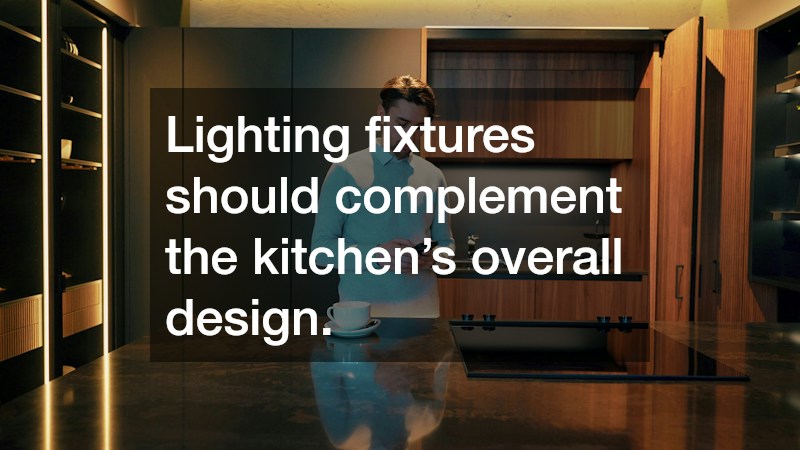
Lighting fixtures should complement the kitchen’s overall design. The finish, shape, size, and material of each fixture can influence the room’s visual character. Modern kitchens may pair well with sleek recessed fixtures or simple pendants, while traditional spaces may benefit from more decorative options. The goal is to select lighting that works with the cabinetry, hardware, countertops, and other design elements.
Color temperature is also worth considering because different bulbs can produce noticeably different appearances. Warmer light can create a welcoming atmosphere, while cooler light may provide a crisp appearance that works well in task-oriented areas. Choosing compatible color temperatures throughout the kitchen can help maintain a cohesive look.
Lighting controls can make the kitchen more flexible. Dimmers allow homeowners to adjust brightness based on the time of day or activity, while separate switches can give users control over different lighting layers. Smart lighting systems may provide additional scheduling or control options. Kitchen remodelers can help determine which features make sense for the room and the homeowner’s daily routines.
A thoughtful lighting plan should also account for energy use and maintenance. LED fixtures and bulbs can provide efficient illumination while offering a wide range of styles and color temperatures. Selecting durable fixtures that are appropriately rated for their location can help create a lighting system that remains functional and attractive as the kitchen is used over time.
Choosing kitchen lighting involves more than selecting attractive fixtures. The room’s layout, natural light, work areas, design style, color temperature, and controls all influence the final plan. By considering these elements together, homeowners can create a kitchen that provides useful illumination while supporting the atmosphere they want to achieve.
Working with experienced kitchen remodeling contractors can make it easier to coordinate lighting with the rest of the renovation. A carefully planned approach can help ensure that fixtures are positioned effectively and that the finished kitchen feels comfortable, cohesive, and practical. Thoughtful lighting choices can help homeowners make their kitchens more functional, inviting, and visually appealing.