
Discovering an old fuel tank buried on your property can be an unexpected and concerning situation, especially if you were unaware that it existed. Whether you find one during landscaping, excavation, or a property inspection, taking the right steps can help protect your property, your finances, and the surrounding environment. Knowing what to do after finding an underground oil tank can also make the removal process more organized and help prevent avoidable complications.
Stop Disturbing the Area and Assess the Situation
Once you discover an underground oil tank, avoid digging around it or attempting to expose, move, or remove it yourself. Even an abandoned tank may contain residual fuel or vapors, and disturbing the surrounding soil could spread contamination if the tank or nearby piping has deteriorated.
Keeping people and equipment away from the area provides a safer starting point while you determine what needs to happen next.
It is also important to document what you have found. Take photographs of the visible tank, surrounding area, and any exposed piping without disturbing the installation. If you have recently purchased the property, review available inspection reports, previous sale documents, or other records that may provide information about the tank’s history. Details about its location, age, former use, and whether it was ever filled or abandoned can help professionals determine the appropriate next steps.
Pay attention to signs that could indicate a potential leak or environmental concern. Unusual fuel odors, stained soil, dead vegetation, or visibly damaged components may warrant prompt professional attention. However, avoid trying to determine the condition of the tank by opening it or removing soil around it. A qualified contractor can evaluate the situation using appropriate equipment and procedures.
Arrange for a Professional Inspection
After documenting the discovery, contact a company experienced in oil tank inspection and removal. A professional can evaluate the tank’s condition, identify its approximate size and location, and determine whether there are signs of leakage or surrounding soil contamination. This assessment can help establish whether removal, additional testing, or other corrective measures may be necessary.
Professional evaluation is particularly important because underground tanks can deteriorate without obvious surface evidence. Corrosion may affect the tank or connected piping while remaining hidden beneath the soil. Depending on the circumstances, a contractor may use specialized equipment to access the tank, inspect its condition, and collect soil samples when appropriate. These steps provide more reliable information than attempting to investigate the tank independently.
You should also ask the contractor about the procedures involved in removing the tank and handling any material inside it. Local requirements can vary, and proper removal may involve permits, documentation, disposal procedures, or environmental reporting. Choosing a qualified service provider familiar with applicable requirements can help ensure the project is handled correctly from the beginning rather than requiring corrective work later.
Address Removal and Potential Environmental Concerns
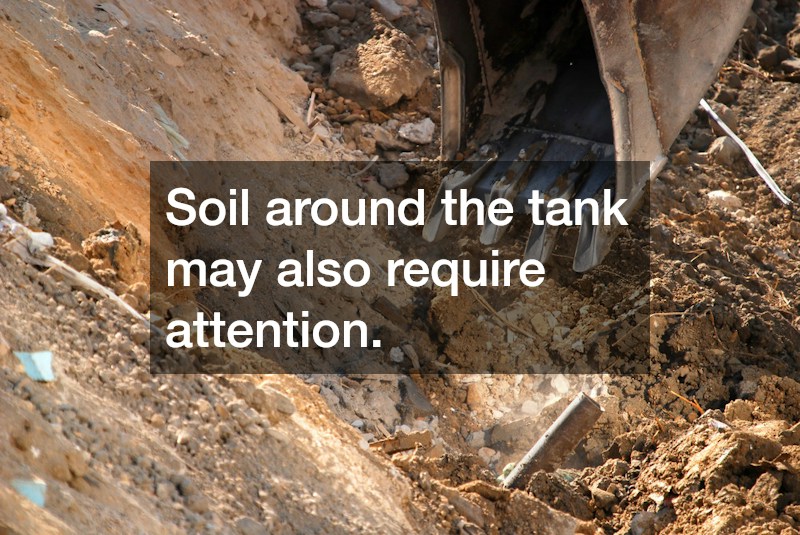
If the inspection determines that the tank should be removed, schedule the work with a qualified removal service. Proper removal typically involves exposing the tank, disconnecting associated lines, removing remaining contents, extracting the tank, and evaluating the excavation. The exact process depends on the tank’s condition, location, size, accessibility, and applicable local requirements.
Soil around the tank may also require attention. If testing identifies petroleum contamination, additional steps may be necessary before the excavation can be closed. Depending on the extent of the issue and local regulations, this could involve removing affected soil, performing additional testing, documenting findings, or completing required notifications. Addressing potential contamination promptly can help prevent a manageable issue from becoming more complicated.
Keep copies of all documentation associated with the project, including inspection findings, photographs, soil testing results, removal records, disposal documentation, and any required approvals. These records can be useful if you sell the property in the future or need to demonstrate that the tank was properly addressed. They may also help answer questions from prospective buyers, inspectors, lenders, or environmental professionals.
Finding an unexpected underground oil tank does not necessarily mean you have a major problem, but it does mean the situation should be handled carefully. Avoid disturbing the tank, document what you can safely observe, and arrange for a professional inspection and removal when necessary. Taking these steps can help identify potential environmental concerns, satisfy applicable requirements, and leave your property in a safer condition. Professional guidance is often the most practical way to manage the discovery from evaluation through final removal.